
Upcoming major pathfinding improvements
The next release will bring several landmark upgrades to pathfinding and movement, almost completely due to meticulous work and documentation by Dariusz Pyś. Let’s take a closer look at the more interesting bits. All the images were created by Dariusz.
Multithreaded pathfinding
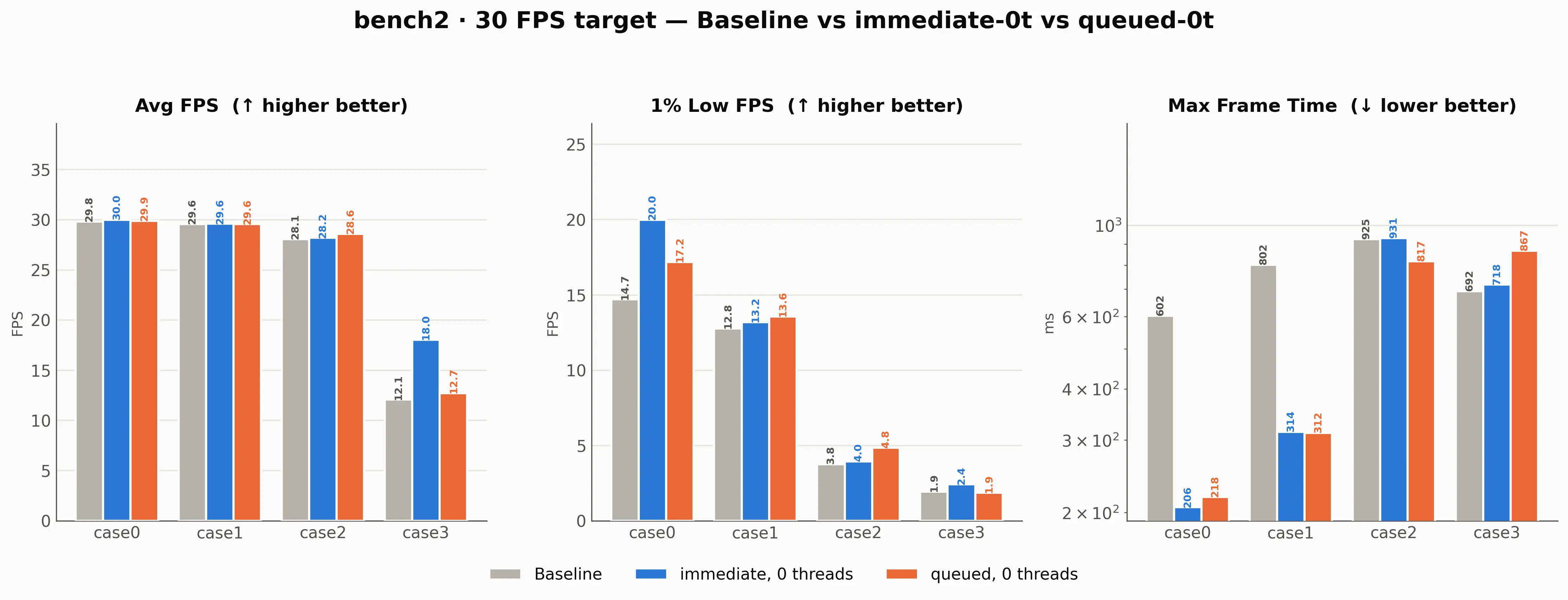
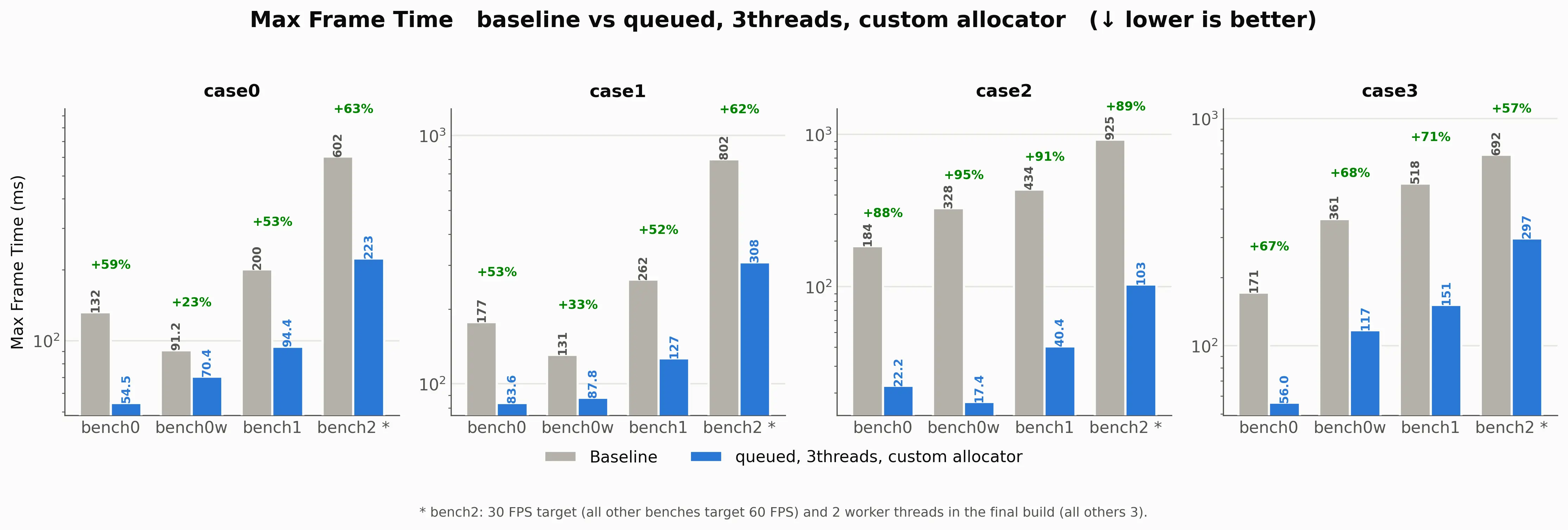
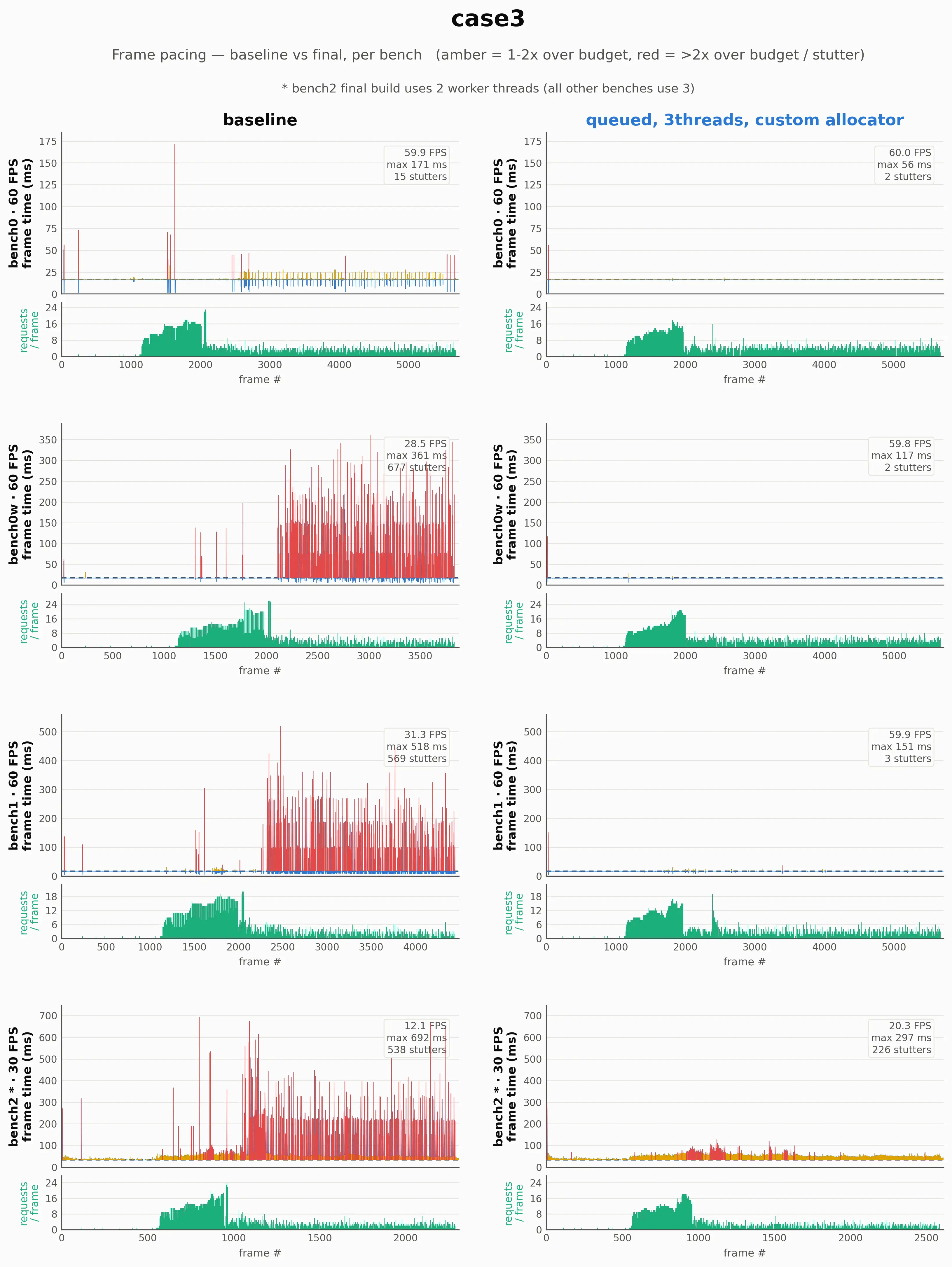
GemRB prides itself on running on a vast array of hardware and software platforms. But your machine didn’t have to be an old resource starved potato for it to sometimes buckle under the worst pathfinding requests. Since the algorithm ran on the main thread that meant the engine would block any interactivity while waiting, the drawing would skip frames and users would have a bad time.
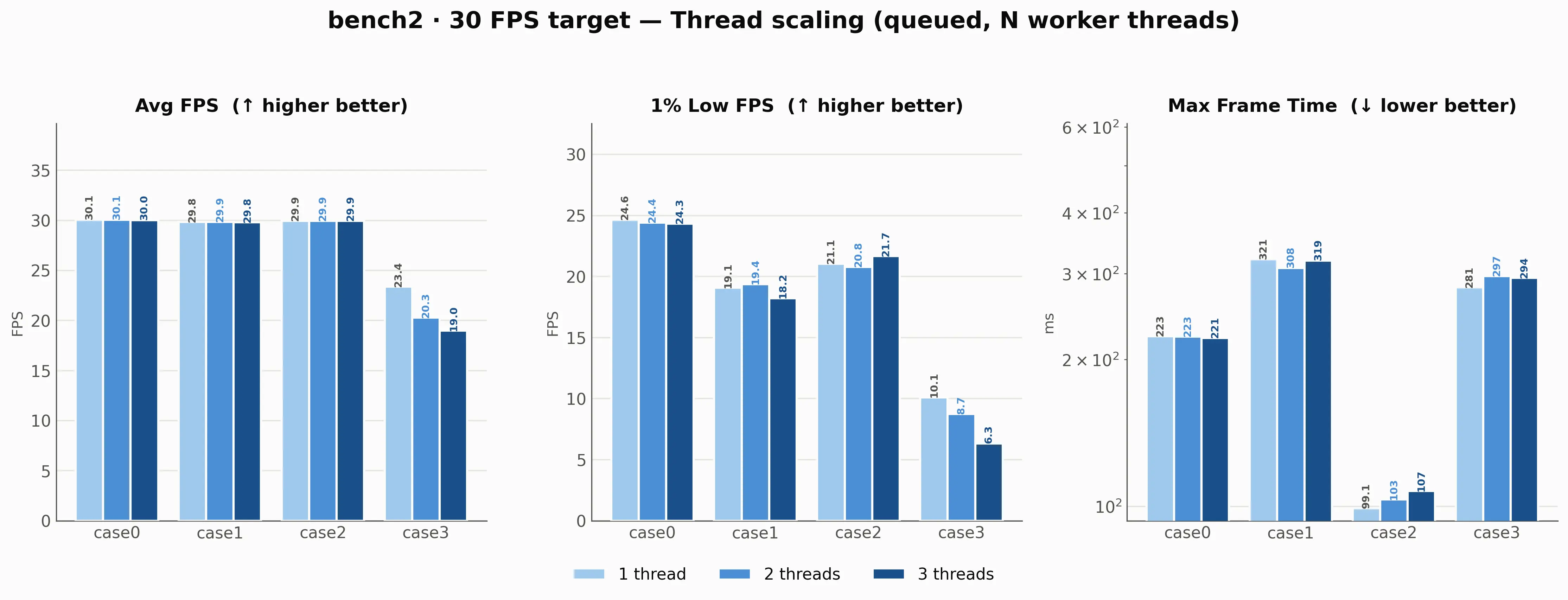
With the introduction of multithreaded pathfinding this problem is now gone. The number of threads is configurable and can even be disabled. In that case either an immediate (like before) or a queue system can be chosen. Even the first still slightly improves performance compared to before. Users don’t have to do anything to opt-in, as a sane default taking into account their number of physical cores will be chosen if the settings are not found.
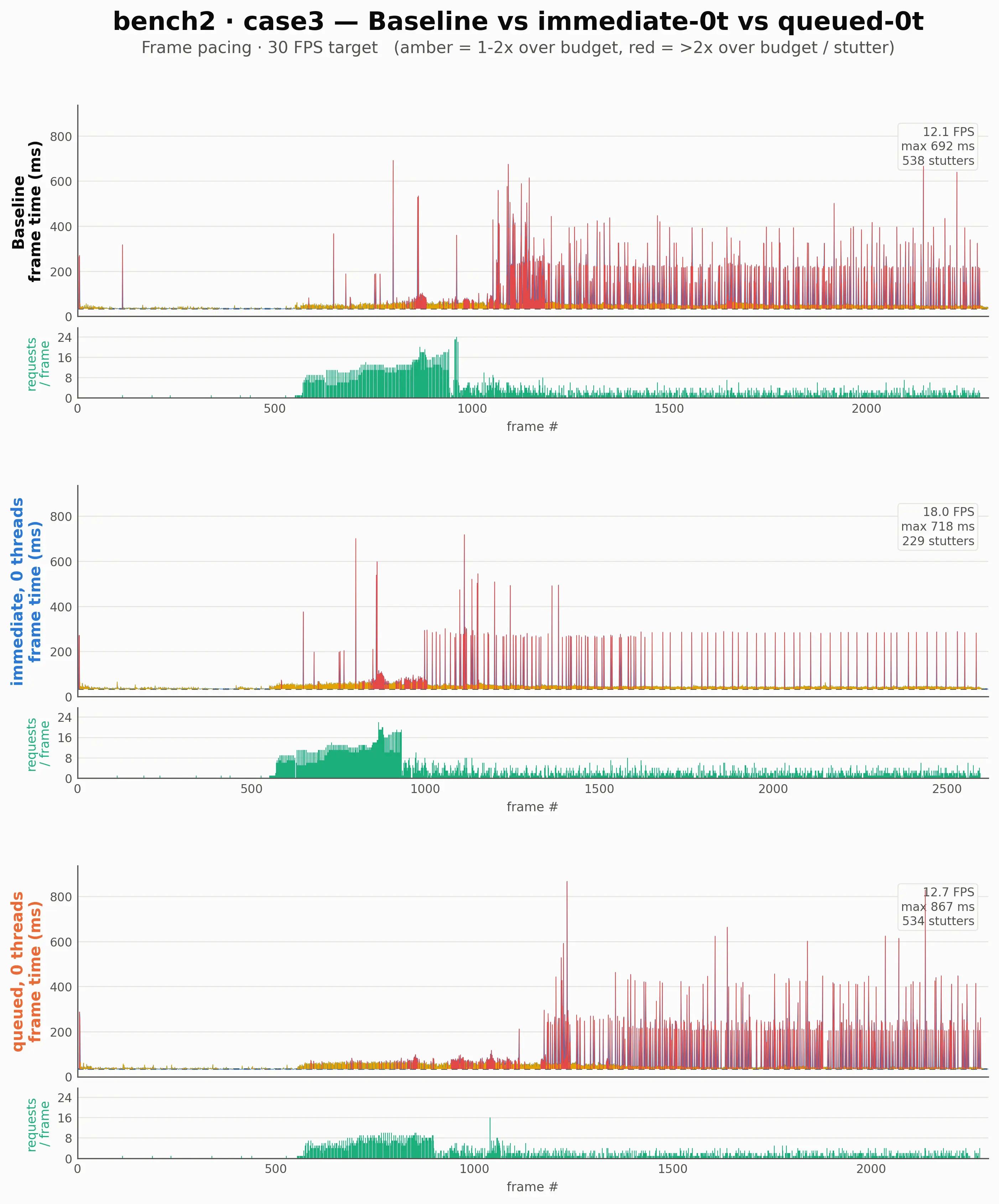
Anyone interested in the details of the implementation should read the design documentation.
Diagonal pathfinding and smoothing
Previously GemRB’s pathfinder only had 4 degrees of freedom, only ever inspecting perpendicular searchmap cells when looking for the best path. In itself it was easy to make it check also the diagonal 4, however previous attempts got stuck in cases of teleporting and similar regressions due to problems exposed by the change. This has now been fixed, causing overall shorter, straighter and smoother paths (a simplification step removes unnecessary steps). It also removed the need for previous manual searchmap overrides and appears to have also slightly sped up pathfinding.
A thorough visual comparison of many test cases is available.
Line of sight and performance
Profiling showed that now that searchmap state is effectively cached, line of sight checks are the next hot path bottleneck. Our previous pathfinding expert suggested using Bresenham’s algorithm might help, but it turns out it would be incorrect for our use case, skipping checks and hitting walls.
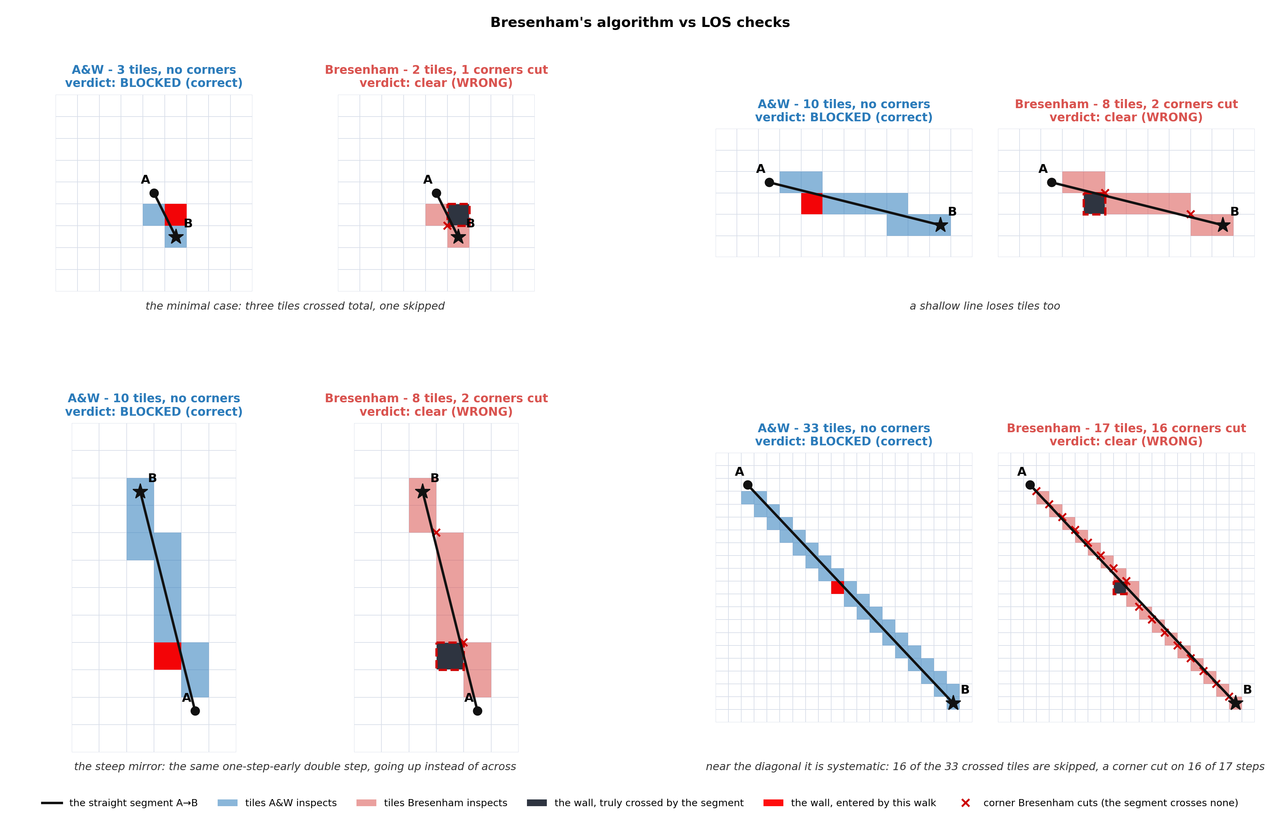
Dariusz instead implemented Amanatides & Woo’s algorithm, which is both correct and much more performant. While trying to ensure it is consistently fast with both gcc and clang (default semantic interposition difference), he discovered more points of optimization.
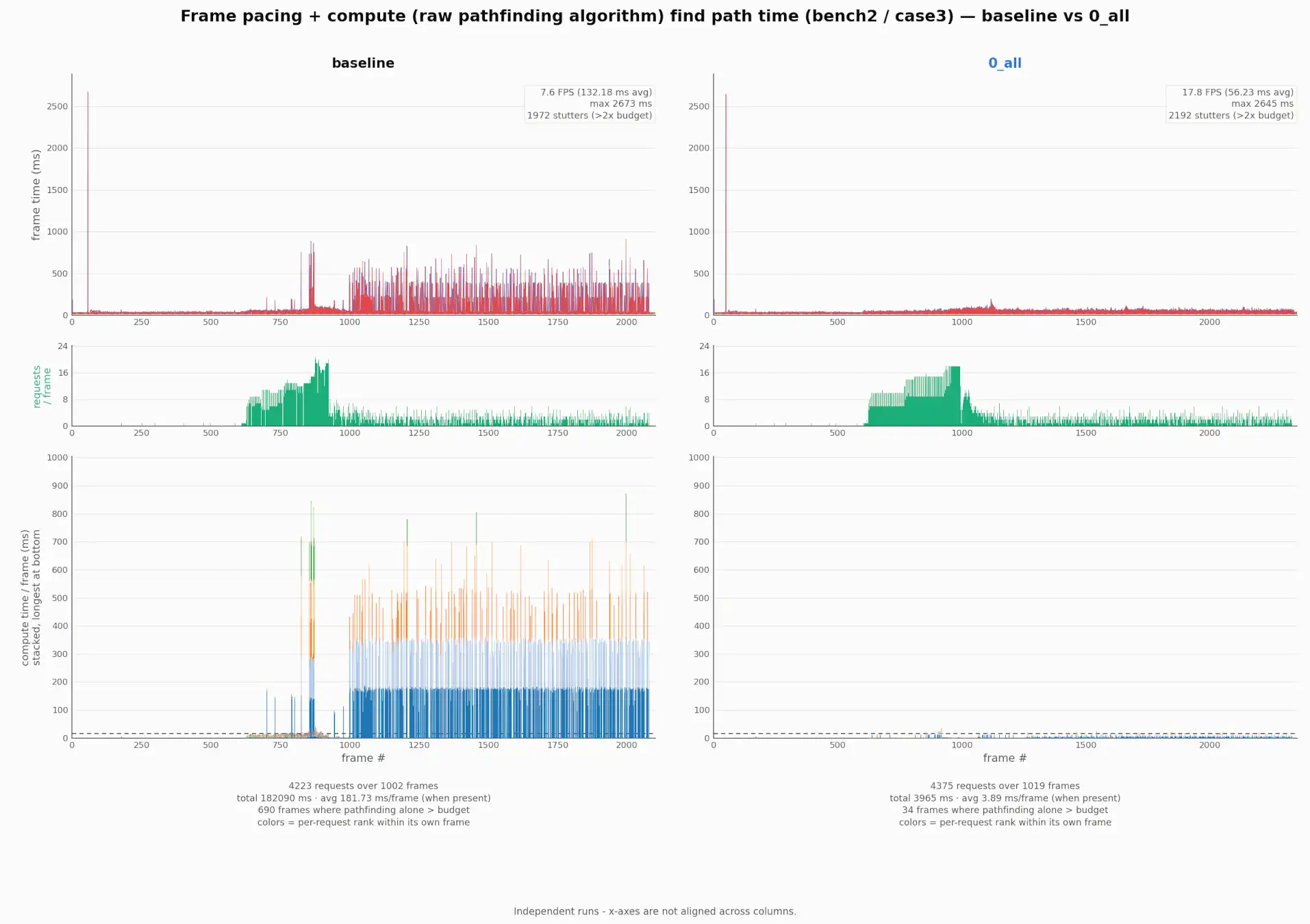
In total the algorithm change and the extra fixes significantly improved the performance of both line of sight checks and pathfinding itself. For the used test cases that meant a 22-25x improvement to the former and 15-29x to the latter.
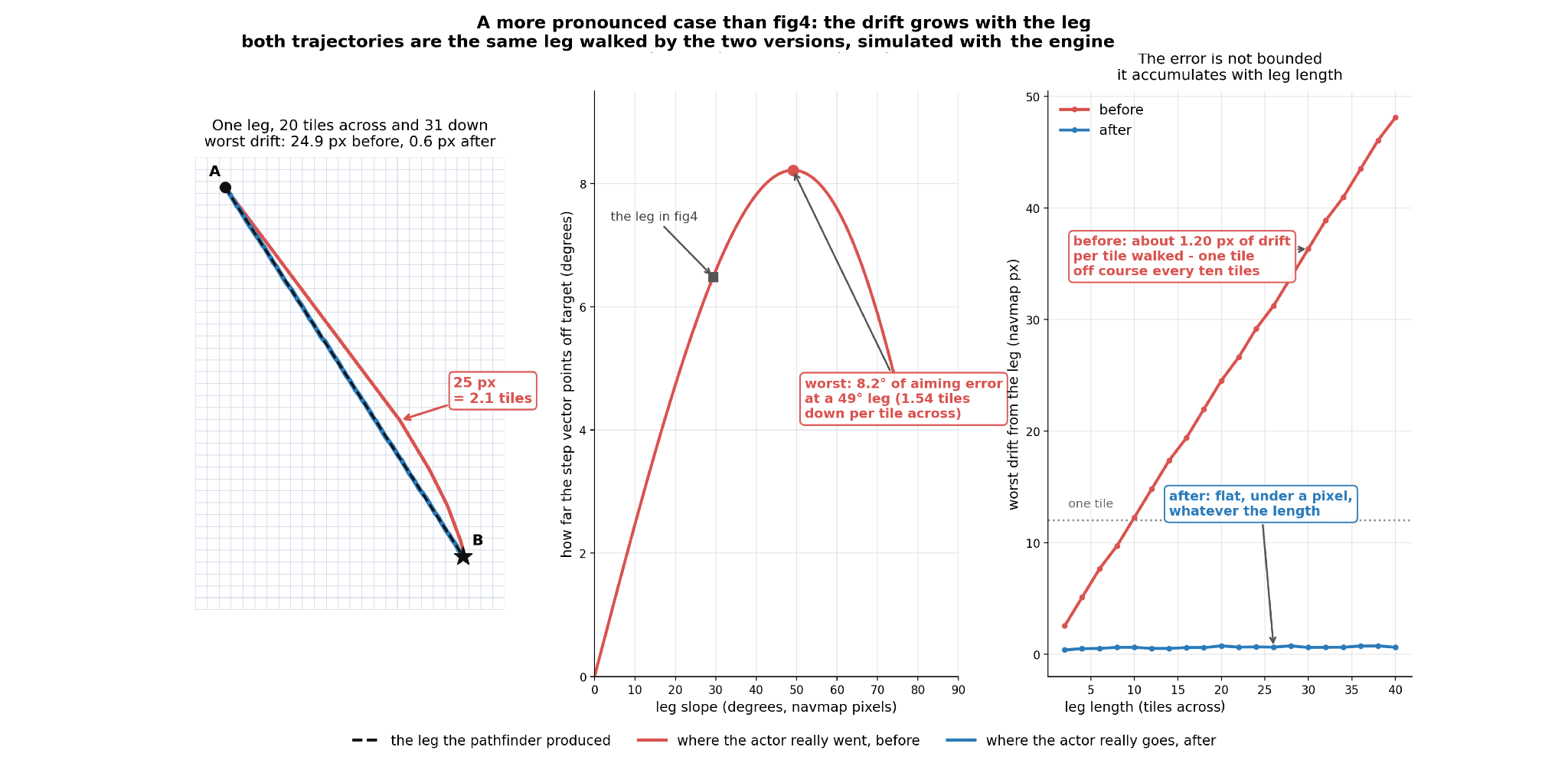
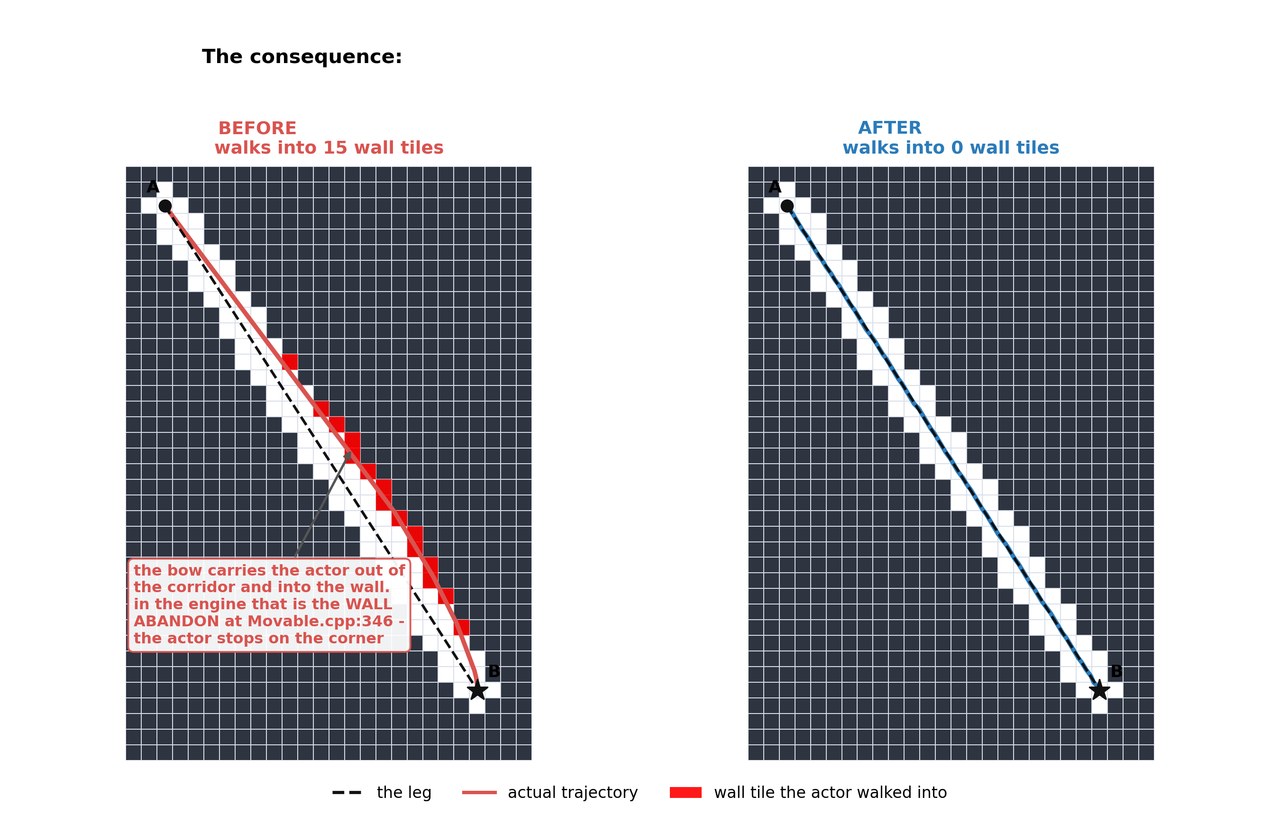
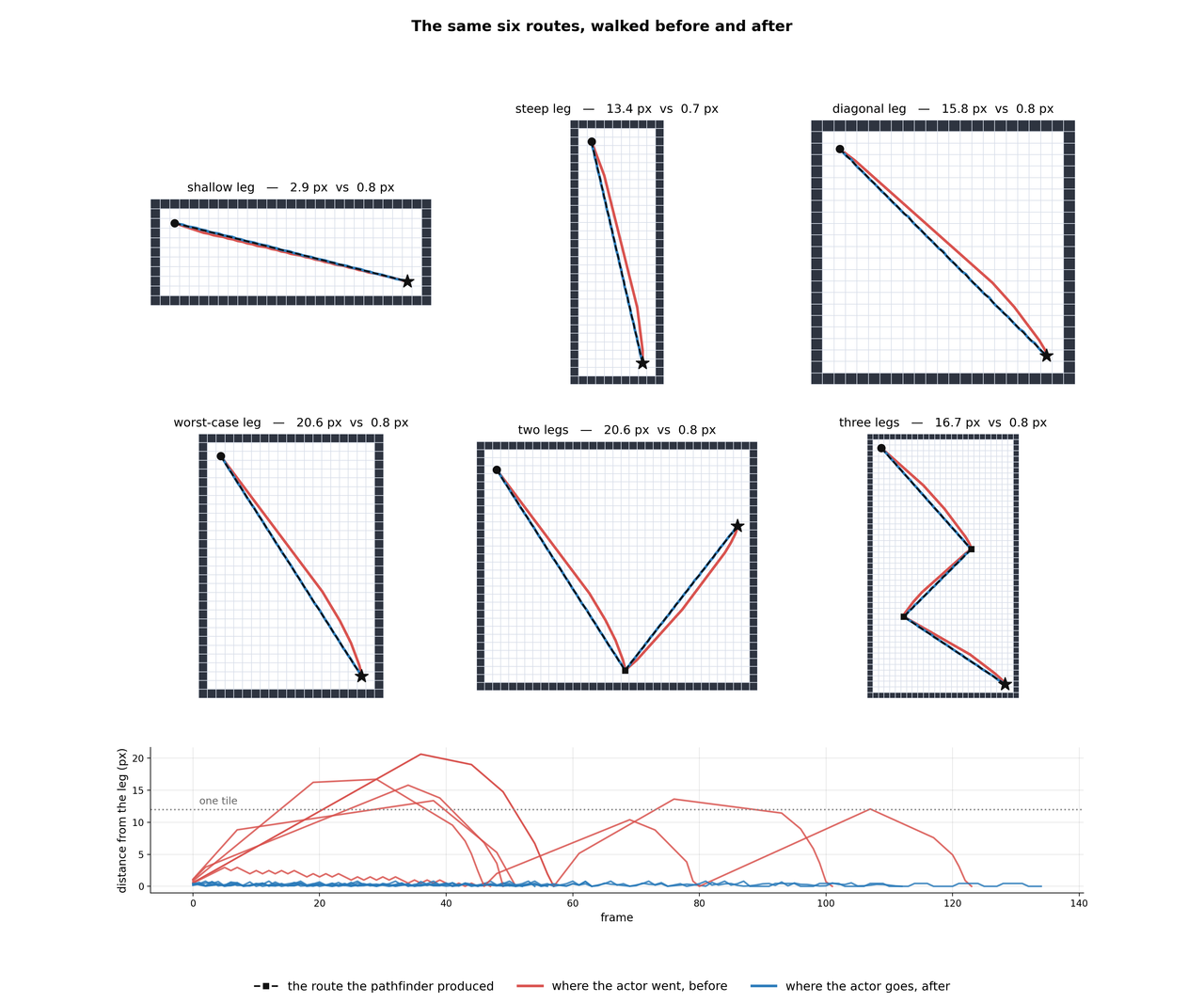
Walking skew removal
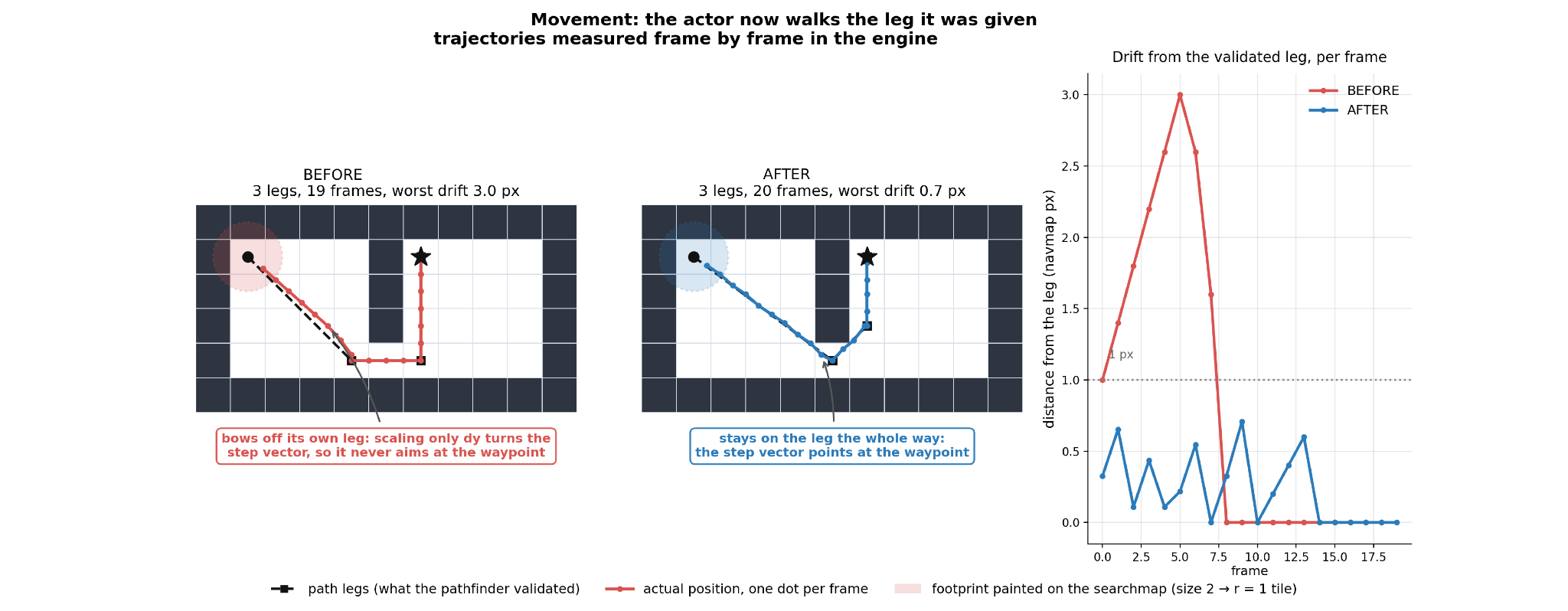
Working on optimizing line of sight checks revealed that there is a systematic difference between the path returned by the pathfinder and what the actors actually walk. This is now fixed.
Miscellanea
Last but not least, in fact it was one of the first things done: Dariusz built a framework for testing various details of the pathfinding and movement systems. It complements the limited high level tests we had before, which use the real demo data. This is not so important for users, but it makes it much easier for us to implement further improvements with a lesser chance of introducing regressions.
Test driven development is very appropriate for these sort of tasks, since there are many corner cases and algorithmic decisions where just reasoning about their correctness easily breaks something else. It allows for faster iteration and a calmer mind.
It also resulted in a lower path abandonment rate and the fix where actor bumping could cause impassable wall traversal.
In summary, all this work vastly improved performance and correctness of both pathfinding and actual actor movement. That combined with pathfinding not blocking the main thread any more makes the user experience much nicer.
Brave users can already test these improvements by using our development builds. Everyone else should wait for the next release, which is planned for the end of the year.